

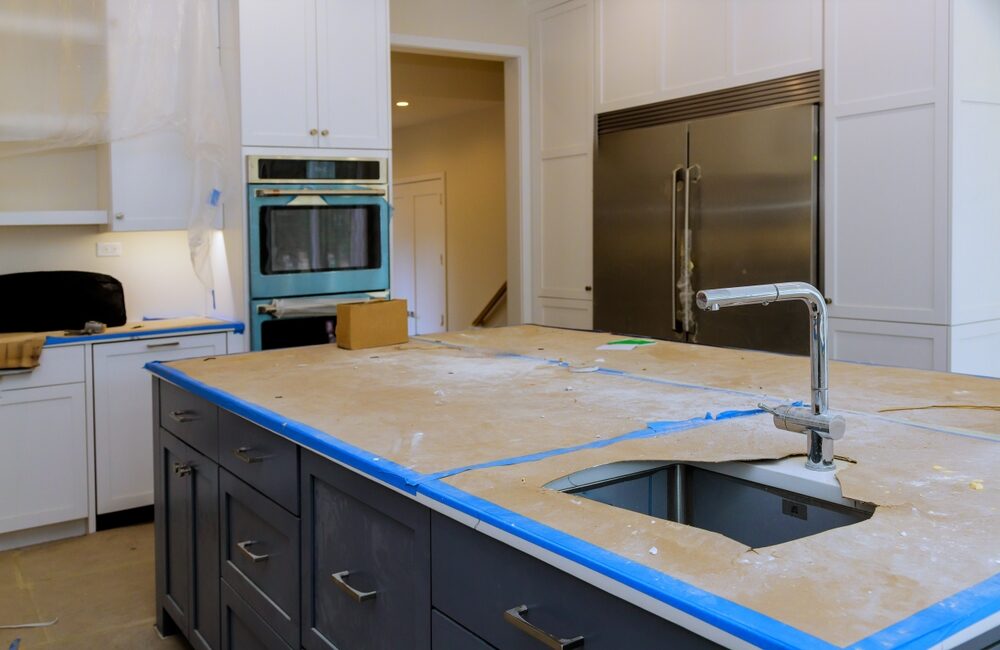
The kitchen is often described as the heart of the home. It is where meals are prepared, homework is finished, and guests gather during parties. Because of this central role, it is also the room homeowners dream of updating most often. Scrolling through online galleries of pristine, modern kitchens can be inspiring, but the price tags attached to those images often bring reality crashing back down.
This leads to the inevitable question: Is a kitchen remodel worth the investment? The answer is not a simple yes or no. It depends heavily on your goals. Are you looking to sell your home in the next year, or do you plan to stay for the next decade? Are you motivated by financial return on investment (ROI) or by the desire to improve your daily quality of life? This article explores these factors in depth to help you determine if a kitchen renovation is the right move for your family.
The Financial Reality: A Look at ROI
Return on investment is usually the first concern for any homeowner considering a major project. You want to know if the money you spend today will come back to you when you eventually sell the property. According to industry data, the ROI for kitchen projects varies significantly based on the scale of the renovation.
A minor kitchen remodel generally offers the highest financial return. This involves cosmetic updates rather than structural changes. Examples include replacing cabinet fronts (refacing) rather than the entire boxes, installing energy-efficient appliances, upgrading to a new stainless steel sink, and painting the walls. On average, homeowners can expect to recoup roughly 81% of these costs nationally. The logic is straightforward: you are removing the “dated” feel of the home without overspending on structural alterations that buyers might not value as highly.
Conversely, an upscale major kitchen remodel sees the ROI drop to around 54%. This type of project involves gutting the room, moving plumbing and gas lines, tearing down walls to create an open floor plan, and installing luxury custom cabinetry and high-end stone countertops. While these kitchens are visually stunning, the cost of labor and materials is so high that it is difficult to get a dollar-for-dollar return in the resale market.
Understanding the Diminishing Returns
The concept of diminishing returns is real in home renovations. A buyer might pay more for a house with a clean, functional, and modern kitchen compared to one from the 1980s. However, they are unlikely to pay a premium that covers the full cost of a $100,000 renovation. If your neighborhood consists mostly of mid-range homes, installing a luxury kitchen might price your home out of the local market.
When considering a home improvement in Philadelphia, it is vital to look at comparable properties in your specific area. If every house on the block has laminate countertops and you install imported marble, you are “over-improving” for the neighborhood. In this scenario, you will likely not see that money back. However, if every neighboring house has been updated and yours is the last one with original linoleum floors, a remodel becomes necessary just to stay competitive.
Beyond the Dollars: The Lifestyle ROI
While financial calculations are important, they do not paint the full picture. Unless you are a house flipper, you are not just an investor; you are a resident. The value of enjoyment, functionality, and pride of ownership is harder to quantify but arguably more important.
A 2017 study by Houzz linked remodeling to significant lifestyle improvements. The data showed that after a kitchen renovation:
- 33% of homeowners reported having a healthier lifestyle.
- 41% cooked more meals at home.
- 50% enjoyed more family time in the space.
An efficient, pleasing kitchen enhances family life. A poorly designed kitchen with dark corners, limited counter space, and broken drawers can be a daily source of frustration. Simple upgrades like under-cabinet lighting or soft-close drawer glides can dramatically affect your mood and efficiency. If a renovation makes you happy every morning when you walk in to make coffee, that is a return on investment that a bank statement cannot show.
Breaking Down the Remodel Tiers
To understand where your money goes, it helps to categorize the different types of remodels.
The Minor Refresh (High ROI) This approach keeps the existing layout (footprint) of the kitchen. You are not moving the sink or the stove. The goal is to freshen up the surfaces.
- Cabinets: Instead of replacing them, you might paint them or replace just the doors and hardware.
- Surfaces: Replace an old laminate countertop with a modest quartz or granite option. Add a tile backsplash.
- Fixtures: Swap out the faucet and the pendant lights.
- Appliances: Replace unmatched white or black appliances with a cohesive stainless steel suite.
The Mid-Range Major Remodel (Moderate ROI)
This is a more comprehensive update. It might involve replacing the cabinets entirely to get better storage solutions like pull-out shelves or lazy Susans. You might install a kitchen island if space permits. The layout might shift slightly, perhaps moving the refrigerator to a better spot. This level allows for semi-custom materials and better quality flooring, such as luxury vinyl plank or tile.
The Upscale Major Remodel (Lower ROI)
This is the dream kitchen. It often involves structural work, such as removing a load-bearing wall to open the kitchen to the living room. You are looking at custom cabinetry built to fit the space perfectly, commercial-grade appliances, intricate tile work, and high-end lighting controls. While this results in a magazine-quality space, it is the most expensive route and yields the lowest percentage of financial return.
Remodeling for Yourself vs. The Market
The “Stay vs. Sell” calculation is the most critical factor in your decision. If you plan to sell your home within the next 3 to 5 years, you should prioritize ROI. Stick to a minor remodel. Choose neutral colors that appeal to the widest range of buyers. Avoid bold design choices like bright red cabinets or overly patterned backsplashes.
However, if this is your “forever home” and you plan to stay for 10 or more years, the resale value becomes secondary. In this scenario, you should remodel for yourself. If you are a gourmet chef who wants a six-burner range and a pot filler, get them. If you need a specific layout to accommodate a large family or a disability, make those structural changes. Over a decade of use, the daily utility you get from these features outweighs the eventual resale statistics.
Strategic Upgrades That Make a Difference
Regardless of the budget, certain upgrades tend to carry more weight than others.
Lighting
Lighting is often the most overlooked aspect of a kitchen, yet it has a massive impact on functionality. A good design layers three types of light: ambient (general overhead), task (focused light on counters), and accent (decorative). Adding under-cabinet lighting is a relatively low-cost upgrade that makes the room feel larger and makes food preparation easier.
Storage Solutions
Modern buyers and homeowners prioritize organization. A kitchen might look beautiful, but if there is nowhere to put the blender, it fails functionally. Deep drawers for pots and pans, vertical dividers for baking sheets, and pantry pull-outs add immense functional value. Experts at Avantgarde Home Improvements can help you identify “dead space” in your current layout and convert it into valuable storage, ensuring no corner goes to waste.
Energy Efficiency
New appliances are significantly more energy-efficient than those from 20 years ago. A modern dishwasher uses less water and gets dishes cleaner. An induction cooktop offers precise temperature control and is safer than gas. These upgrades lower your monthly utility bills, providing a small but steady financial return over time.
The Role of Professional Contractors
While DIY shows make renovations look easy, kitchen remodeling is complex. It involves electrical work, plumbing, carpentry, and often gas lines. Mistakes in these areas can be dangerous and expensive to fix. Hiring a professional contractor like Avantgarde Home Improvements protects your home and keeps the project on track.
Professionals understand the local building codes and permitting processes. They know how to sequence the work so the flooring doesn’t get ruined by the painters, or the cabinets don’t get scratched during appliance installation. Furthermore, a contractor can often spot potential issues like water damage behind a sink base or outdated wiring before they become disasters.
Expanding Your Home’s Potential
Sometimes, a kitchen remodel is part of a larger strategy to improve the entire home. If you are already engaging a contractor for a basement remodel in Bucks County, it might make sense to discuss the kitchen at the same time. Consolidating projects can sometimes reduce overall timeline disruption and allow for a more cohesive design language throughout the house. For example, using the same flooring material in the basement and the kitchen can create a sense of continuity.
When working with a team like Avantgarde Home Improvements, you gain access to design expertise that connects these different spaces. They can help you allocate your budget effectively, perhaps advising you to save money on the basement ceiling to afford better countertops in the kitchen, or vice versa.
Making Smart Choices
A kitchen remodel can be a rewarding investment. Implementing the right strategies matters, whether your goal is financial gain or increased enjoyment.
Small Changes, Big Impact
Prioritize small upgrades if maximizing ROI is key. Avoid moving walls if you don’t have to. Refresh cabinets with paint or upgrade the hardware. Research local trends to see what buyers in your specific zip code are looking for. In some markets, a “chef’s kitchen” is a requirement; in others, it is an unnecessary luxury.
Matching Appliances Matter
A high-end range looks out of place beside a mismatched, yellowing refrigerator. A cohesive look increases perceived value. Stick to uniform appliance colors for minor remodels. Stainless steel remains the safest bet for resale, though matte black and white are gaining popularity in modern designs.
Conclusion
The value of a kitchen remodel depends on individual goals and circumstances. If resale is the focus, weigh upgrade costs strictly against potential ROI and avoid over-improving. Address the visual aspects that buyers notice first, like countertops and lighting.
If quality of life is paramount, the equation changes. A kitchen remodel becomes an investment in your family’s well-being. The ability to host holiday dinners comfortably, the joy of cooking on a responsive stove, and the peace of an organized pantry are benefits that money cannot easily measure.
Whether you are looking for a simple cosmetic refresh or a complete structural overhaul, the key is planning. Understand your budget, know your timeline, and choose partners who can execute your vision. Contact us today to discuss your project and discover the potential hidden in your kitchen.
